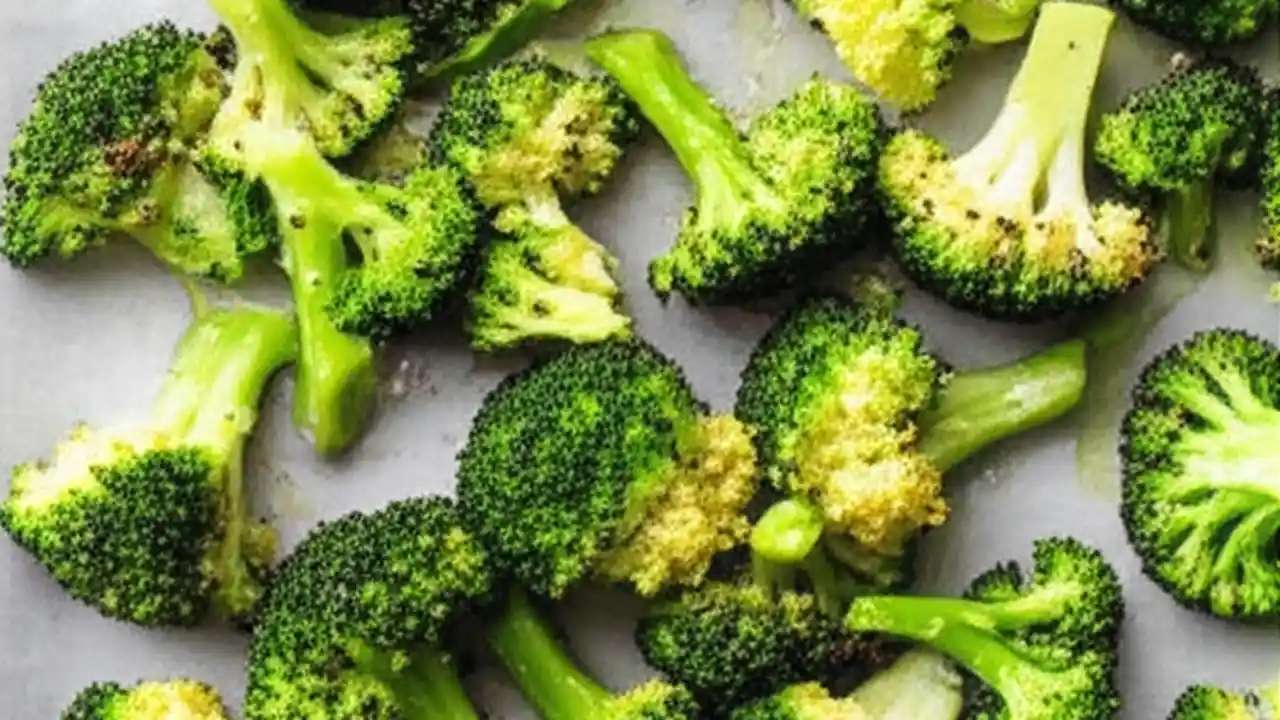
Mastering the Art of Freezing Broccoli: A Foolproof Method to Banish Bitterness
Imagine enjoying the crisp, vibrant flavor of garden-fresh broccoli in the dead of winter, or saving a significant amount on groceries by having a ready supply of this nutritious vegetable when it's out of season. Many home cooks dream of preserving their produce, but often face a common pitfall with broccoli: a strange, unpleasant bitterness after freezing. Fortunately, the secret to delicious, bitterness-free frozen broccoli lies in a simple, systematic approach. This comprehensive guide will walk you through the foolproof method to successfully freeze broccoli for long-term use, ensuring every floret retains its delightful taste and texture, ready for your favorite recipes.
Why Freeze Broccoli? Beyond Just Preserving Freshness
Freezing broccoli isn't just about extending its shelf life; it's a savvy strategy for economic and culinary efficiency. Broccoli, a quintessential cool-weather crop, boasts its best flavor and texture when in season. Home-grown varieties, in particular, offer a taste experience far superior to their supermarket counterparts. By learning how to freeze broccoli for long term use, you unlock several benefits:
- Cost Savings: Purchase broccoli when it's abundant and inexpensive, then enjoy it when prices soar out of season.
- Year-Round Enjoyment: Have a consistent supply of nutritious broccoli for warm-weather dishes or hearty winter stews, regardless of the growing season.
- Reduced Food Waste: Preserve surplus broccoli from your garden or CSA share before it spoils, making the most of your harvest.
- Enhanced Flavor: Properly frozen broccoli, especially when blanched, retains more of its fresh flavor compared to simply refrigerating it for extended periods.
The key, however, is to do it right. Skipping essential steps often leads to the dreaded bitter taste and mushy texture that gives frozen vegetables a bad reputation. Our foolproof method addresses these concerns head-on.
Selecting and Preparing Your Broccoli: The Foundation of Flavor
The journey to perfectly frozen broccoli begins with choosing the right produce. Think of this as the first line of defense against bitterness and poor texture.
Choosing Peak-Condition Broccoli
To ensure the best results when you freeze broccoli for long term use, always select heads that are:
- Firm and Tightly Packed: The florets should be densely clustered, indicating freshness.
- Deep Green: Look for a vibrant, consistent green color.
- Buds Firmly Closed: Crucially, all the tiny buds should be tightly closed. If you see any signs of yellowing or opening buds, the broccoli is starting to get overripe. While still edible, these heads are best used fresh immediately, as they won't hold up as well or taste as good after freezing. They are more prone to developing bitterness.
Cleaning and Sizing Your Broccoli
Once you've selected prime broccoli, it's time for preparation:
- Wash Thoroughly: Rinse the broccoli heads under cold running water to remove any dirt, insects, or debris.
- Separate Florets from Stems: Carefully cut the florets from the thick main stalk. It's best to process florets and stems separately as they are often used in different types of dishes and have slightly different textures. Florets are versatile for stir-fries, sides, or casseroles, while stems are fantastic in soups, stews, or even roasted.
- Chop into Uniform Pieces: Trim both florets and stems into roughly 1 to 1.5-inch bite-sized pieces. For the stems, make sure to peel away any tough, fibrous outer layers. This ensures even cooking during the blanching process and consistent texture once frozen.
The Blanching Breakthrough: Eliminating Bitterness and Preserving Quality
This is arguably the most critical step in freezing broccoli without bitterness. Many people make the mistake of freezing raw broccoli, only to find it unpalatably bitter and discolored once thawed and cooked. Blanching, a quick dip in boiling water followed by an ice bath, is the secret weapon.
Why Blanching is Non-Negotiable
Blanching serves several vital purposes that directly combat bitterness and preserve quality:
- Deactivates Enzymes: Broccoli contains natural enzymes that, if not deactivated, continue to break down the vegetable even in the freezer. This enzyme activity leads to undesirable changes in color (discoloration), texture (mushiness), and most importantly, flavor (bitterness).
- Brightens Color: The brief heat sets the vibrant green color, making your frozen broccoli more appealing.
- Retains Nutrients: While it might seem counterintuitive, blanching actually helps retain more vitamins and minerals by stopping enzyme action that degrades them.
- Cleanses and Softens: It further cleanses the broccoli and slightly softens the cell structure, allowing for more even freezing and cooking later.
For a deeper dive into how blanching prevents common freezing issues, check out our guide on
Prevent Mushy Broccoli: Blanching for Perfect Frozen Florets.
Step-by-Step Blanching Process
1.
Prepare an Ice Bath: Fill a large bowl with ice water. The colder, the better! You'll need enough ice to quickly cool down the hot broccoli.
2.
Bring Water to a Rolling Boil: In a large pot, bring a generous amount of water to a rolling boil. For every pound of broccoli, aim for at least a gallon of water.
3.
Blanch the Broccoli: Carefully immerse the broccoli pieces into the boiling water. Do not overcrowd the pot; work in batches if necessary to ensure the water temperature doesn't drop too much.
- Boiling Method: Boil florets for 3 minutes.
- Steaming Method (Alternative): Steam florets for 5 minutes. This method uses less water and can be preferred by some.
4.
Immediate Cooling: As soon as the blanching time is up, use a slotted spoon or spider to quickly transfer the broccoli directly into the prepared ice bath. This immediate shock stops the cooking process dead in its tracks, preserving the crisp-tender texture and sealing in the flavors and nutrients.
5.
Chill Thoroughly: Allow the broccoli to remain in the ice bath for the *same amount of time* it was blanched (3 minutes for boiled, 5 minutes for steamed). This ensures it cools completely.
Drying, Portioning, and Freezing for Optimal Long-Term Use
After blanching and cooling, the final steps are crucial for effective long-term storage and ease of use.
Thorough Drying
One of the most overlooked steps is drying. Excess moisture leads to ice crystals and freezer burn, compromising quality.
- Drain Well: Drain the broccoli from the ice bath in a colander.
- Pat Dry: Spread the broccoli pieces in a single layer on clean kitchen towels or a few layers of paper towels. Gently pat them dry as much as possible. Allow them to air dry for an additional 15-30 minutes if needed, turning occasionally. The drier the broccoli, the better it will freeze.
Strategic Portioning and Flash Freezing
Before sealing, consider how you'll use your frozen broccoli. This step is key to convenience and preventing a solid, unusable block of frozen veggies. For comprehensive advice on maximizing your frozen produce, read our article on
How to Freeze Broccoli for Long-Term Flavor & Savings.
1.
Decide on Portion Sizes:
- Individual Servings: Small amounts for single meals.
- Family-Sized Portions: Larger quantities for soups, casseroles, or side dishes for multiple people.
- Consider Stems vs. Florets: Since stems are often used in larger-batch recipes like soups and stews, they can be frozen in bigger portions. Florets, being more versatile, might benefit from smaller, more flexible portions.
2.
Flash Freeze for Convenience: This is the foolproof method for preventing clumping, allowing you to grab just a handful of florets whenever you need them.
- Spread the thoroughly dried broccoli pieces in a single layer on a parchment-lined baking sheet or tray.
- Place the tray in the freezer for 1-2 hours, or until the pieces are solid.
3.
Pack for Long-Term Storage: Once flash-frozen, transfer the solid broccoli pieces into airtight freezer bags or rigid freezer-safe containers.
- Remove Air: Squeeze out as much air as possible from freezer bags to prevent freezer burn. A vacuum sealer is excellent for this.
- Label Clearly: Don't forget to label each bag or container with the date and contents. Frozen broccoli is best used within 8-12 months for optimal quality.
If you choose to skip flash-freezing and directly bag your broccoli, ensure you portion it precisely before freezing, as the pieces will freeze together and be nearly impossible to break apart once solid. Flash-freezing is highly recommended for its ease of use later.
Conclusion: Enjoying Bitterness-Free Broccoli Year-Round
Freezing broccoli doesn't have to be a gamble. By following this foolproof method – from selecting prime heads and proper preparation, to the critical blanching step that eliminates bitterness, and finally, smart drying and flash-freezing – you can confidently stock your freezer with this vibrant, nutritious vegetable. Say goodbye to mushy texture and bitter aftertastes, and hello to the convenience and flavor of delicious broccoli, ready to elevate your meals any time of the year. Embrace the power of preservation, save money, and never compromise on the quality of your home-cooked dishes again.