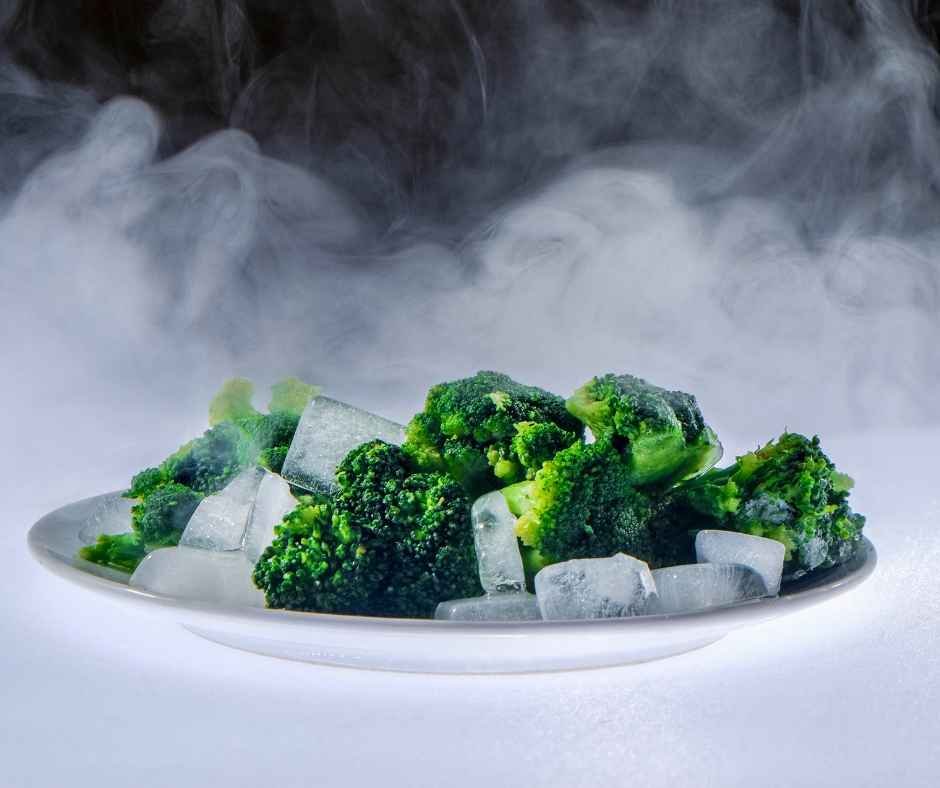
Prevent Mushy Broccoli: Blanching for Perfect Frozen Florets
Few things compare to the vibrant crunch and distinct flavor of fresh broccoli, especially when it's just been harvested from a home garden or acquired at its peak from a local market. This cool-weather crop is a nutritional powerhouse, but its seasonal nature often means enjoying it year-round comes with a premium price tag and sometimes, a compromise on freshness at the supermarket. The good news? You can capture that peak freshness and enjoy delicious broccoli in the warmer months or deep winter – if you know
how to freeze broccoli for long term use correctly. The secret to preventing mushy, bitter florets lies in one simple, yet crucial, step: blanching.
This comprehensive guide will walk you through the essential process of preparing, blanching, and freezing broccoli, ensuring your stored florets retain their beautiful color, firm texture, and delightful taste, ready to be incorporated into your favorite dishes anytime. Say goodbye to unpalatable, sad-looking frozen veggies and hello to perfectly preserved broccoli!
Why Freezing Broccoli is a Game-Changer (and Why Blanching is Essential)
Imagine having a stash of vibrant, firm broccoli ready for stir-fries, casseroles, or healthy side dishes, regardless of the season. Freezing allows you to do just that, offering significant cost savings when broccoli is out of season and more expensive, while also extending the enjoyment of garden-fresh produce. However, simply tossing raw broccoli into the freezer often leads to disappointing results: a discolored, mushy, and often unpleasantly bitter product once thawed. This is where blanching steps in as your culinary superhero.
Blanching is a quick, pre-treatment process involving a brief dip in boiling water followed immediately by an ice-water bath. This seemingly small step has a monumental impact on the quality of your frozen broccoli. Here's why it's non-negotiable for preserving your florets:
*
Enzyme Deactivation: Broccoli, like many vegetables, contains natural enzymes that continue to ripen and degrade the vegetable even in freezing temperatures. These enzymes are responsible for the loss of color, flavor, and nutrients, and can lead to a bitter taste and mushy texture over time. Blanching quickly deactivates these enzymes, halting the degradation process.
*
Preserving Color and Texture: By stopping enzyme activity, blanching locks in broccoli's bright green color and helps maintain its firm, crisp-tender texture. Without blanching, frozen broccoli can turn a dull, brownish-green and become stringy or unpleasantly soft.
*
Nutrient Retention: While a common misconception is that blanching diminishes nutrients, it actually helps to retain them by preventing the enzymatic breakdown that would otherwise occur during prolonged freezing.
*
Cleaning and Softening: The boiling water helps clean the broccoli, reducing microbial load and slightly softening the florets, which makes them easier to pack and more receptive to quick cooking once thawed.
In essence, blanching is the protective barrier that allows you to confidently answer the question of
how to freeze broccoli for long term use with outstanding results, ensuring every floret emerges from the freezer tasting as close to fresh as possible. To dive deeper into preventing bitterness, check out
The Foolproof Method to Freeze Broccoli Without Bitterness.
Selecting and Preparing Your Broccoli for Freezing Perfection
The journey to perfect frozen broccoli begins long before the blanching pot comes out. The quality of your frozen product is directly tied to the quality of the fresh broccoli you start with.
Choosing the Best Heads
When selecting broccoli for freezing, look for these indicators of peak freshness:
*
Firmness: The head should feel solid and dense, not soft or flimsy.
*
Tightly Packed Buds: The florets (buds) should be tightly closed and dark green. Avoid any heads with yellowing buds or those showing signs of opening, as this indicates the broccoli is starting to over-ripen and will not freeze as well or retain its flavor.
*
Vibrant Color: A rich, consistent green color signifies freshness.
Initial Preparation Steps
Once you've chosen your prime broccoli, it's time for preparation:
1.
Wash Thoroughly: Rinse the broccoli heads under cold running water. You can also soak them briefly in a bowl of cold water with a splash of vinegar to help dislodge any hidden dirt or small insects.
2.
Separate Florets and Stems: Broccoli stems and florets cook at different rates and are often used in different culinary applications. For optimal freezing and future use, it's best to separate them.
*
Florets: Cut the florets into uniform, bite-sized pieces, ideally about 1 to 1.5 inches. Uniformity is key for even blanching.
*
Stems: Don't discard the stems! They are delicious and nutritious. Trim away the tough, outer fibrous layer of the stems with a vegetable peeler. Then, chop the inner, tender core into similarly sized pieces as the florets (1 to 1.5 inches). Stems are fantastic in soups, stews, and purees.
Having your broccoli in consistent, small pieces ensures that they will blanch evenly, leading to a perfectly tender-crisp texture throughout.
The Step-by-Step Guide to Blanching Broccoli
Blanching might sound intimidating, but it's a straightforward process that anyone can master. It's the critical step that transforms raw broccoli into freezer-ready gold.
1. Prepare Your Ice Bath
Before you even think about boiling water, prepare a large bowl of ice water. This needs to be ready immediately to halt the cooking process. The colder, the better – consider adding a generous amount of ice cubes to water.
2. Bring Water to a Rolling Boil
Fill a large pot with water – you'll need at least a gallon of water per pound of broccoli to ensure the temperature doesn't drop too much when you add the vegetables. Bring it to a vigorous, rolling boil. Many people add a teaspoon or two of salt to the water, which can enhance flavor, but it's optional.
3. Blanch the Broccoli
Carefully immerse the prepared broccoli florets and stems (you can blanch them together or separately, depending on quantity) into the boiling water. Do not overcrowd the pot; blanch in batches if necessary to maintain a strong boil.
*
Boiling Method: Boil the broccoli for exactly 3 minutes.
*
Steaming Method: Alternatively, you can steam the broccoli for 5 minutes. Place it in a steamer basket over boiling water, ensuring the water doesn't touch the broccoli.
4. Shock in Ice Water
As soon as the blanching time is up, immediately remove the broccoli from the boiling water using a slotted spoon or spider. Plunge it directly into the prepared ice bath. It��s crucial that the broccoli remains in the ice-water bath for the same amount of time it was cooked (3 minutes for boiled, 5 minutes for steamed). This rapid cooling stops the cooking process, "shocks" the broccoli, and seals in its vibrant color, inner moisture, and flavors.
5. Drain and Dry Thoroughly
This is another critical step often overlooked. After cooling, drain the broccoli well. Then, spread the blanched broccoli in a single layer on clean kitchen towels or a salad spinner. Pat it dry as thoroughly as possible. Any residual moisture will turn into ice crystals in the freezer, leading to freezer burn and a mushy texture. A salad spinner can be incredibly effective here, followed by a final pat-down with towels. The drier your broccoli is, the better it will freeze and the longer it will maintain its quality.
Freezing and Storing for Long-Term Enjoyment
With your perfectly blanched and dried broccoli ready, the final steps ensure it’s stored efficiently for months of future use.
Strategic Portioning
Before freezing, consider how you’ll typically use your broccoli. This foresight will prevent you from having a giant, unbreakable block of frozen veggies.
*
Individual Servings: Portion out smaller amounts suitable for a single side dish or a quick addition to a meal.
*
Meal-Sized Portions: For family meals or recipes like large soups and stews, portion larger quantities. Stems, in particular, are great for larger soup batches.
*
Why it matters: Once frozen solid, wet broccoli pieces will stick together and become impossible to break apart without thawing the entire bag. Portioning ensures flexibility and convenience.
Quick-Freezing for Convenience
For the best results and to prevent clumping, employ the quick-freezing method:
1.
Single Layer: Spread the thoroughly dried, blanched broccoli in a single layer on a parchment paper-lined baking sheet or tray.
2.
Freeze Until Solid: Place the tray in your freezer for 1-2 hours, or until the broccoli pieces are completely frozen solid.
3.
Pack Away: Once individual pieces are frozen, transfer them into airtight freezer bags or rigid freezer-safe containers. This quick-freezing step allows you to easily grab just the amount you need without thawing the whole batch.
Optimal Packaging
To protect your broccoli from freezer burn and preserve its quality for up to 12 months:
*
Airtight Bags: Use heavy-duty freezer bags. Squeeze out as much air as possible before sealing. A vacuum sealer is an excellent investment if you freeze a lot of produce, as it removes virtually all air.
*
Rigid Containers: If using containers, ensure they are freezer-safe and have tight-fitting lids.
*
Label and Date: Always label your bags or containers with the contents (e.g., "Broccoli Florets") and the date it was frozen. This helps with inventory management and ensures you use older batches first.
For more comprehensive strategies on maximizing your savings and flavor, read
How to Freeze Broccoli for Long-Term Flavor & Savings.
Conclusion
Freezing broccoli is a highly rewarding endeavor that allows you to enjoy this versatile vegetable at its peak, all year long. By understanding the critical role of blanching in deactivating enzymes, preserving color, and maintaining texture, you can confidently transform your fresh harvest into a convenient, nutrient-rich frozen staple. From selecting firm heads to meticulous drying and strategic portioning, each step contributes to preventing that dreaded mushy outcome. Armed with this knowledge, you now know precisely
how to freeze broccoli for long term use, ensuring every floret that emerges from your freezer is perfectly crisp-tender and full of flavor, ready to elevate any meal. Embrace this simple technique and savor the taste of fresh broccoli, no matter the season!