How to Freeze Broccoli for Long-Term Flavor & Savings
Imagine having access to vibrant, nutrient-rich broccoli year-round, regardless of the season or grocery store prices. For many home cooks and gardeners, this isn't a pipe dream but a simple reality, thanks to the art of freezing. Learning how to freeze broccoli for long term use is an incredibly smart way to lock in peak freshness, prevent food waste, and enjoy significant savings. Whether you've harvested a bountiful crop from your garden, snagged a great deal at the farmers' market, or simply want to extend the life of supermarket produce, this comprehensive guide will walk you through every step to ensure your frozen broccoli maintains its delicious flavor and firm texture.
Broccoli, a cool-weather cruciferous vegetable, often tastes its best when homegrown or purchased in season. Freezing allows you to capture that superior taste, making it available for everything from hearty winter stews to light summer stir-fries, long after its prime growing window has passed. Say goodbye to mushy, discolored, or bitter frozen broccoli, and get ready to stock your freezer with a pantry staple that's ready whenever you are.
Selecting the Best Broccoli for Freezing Success
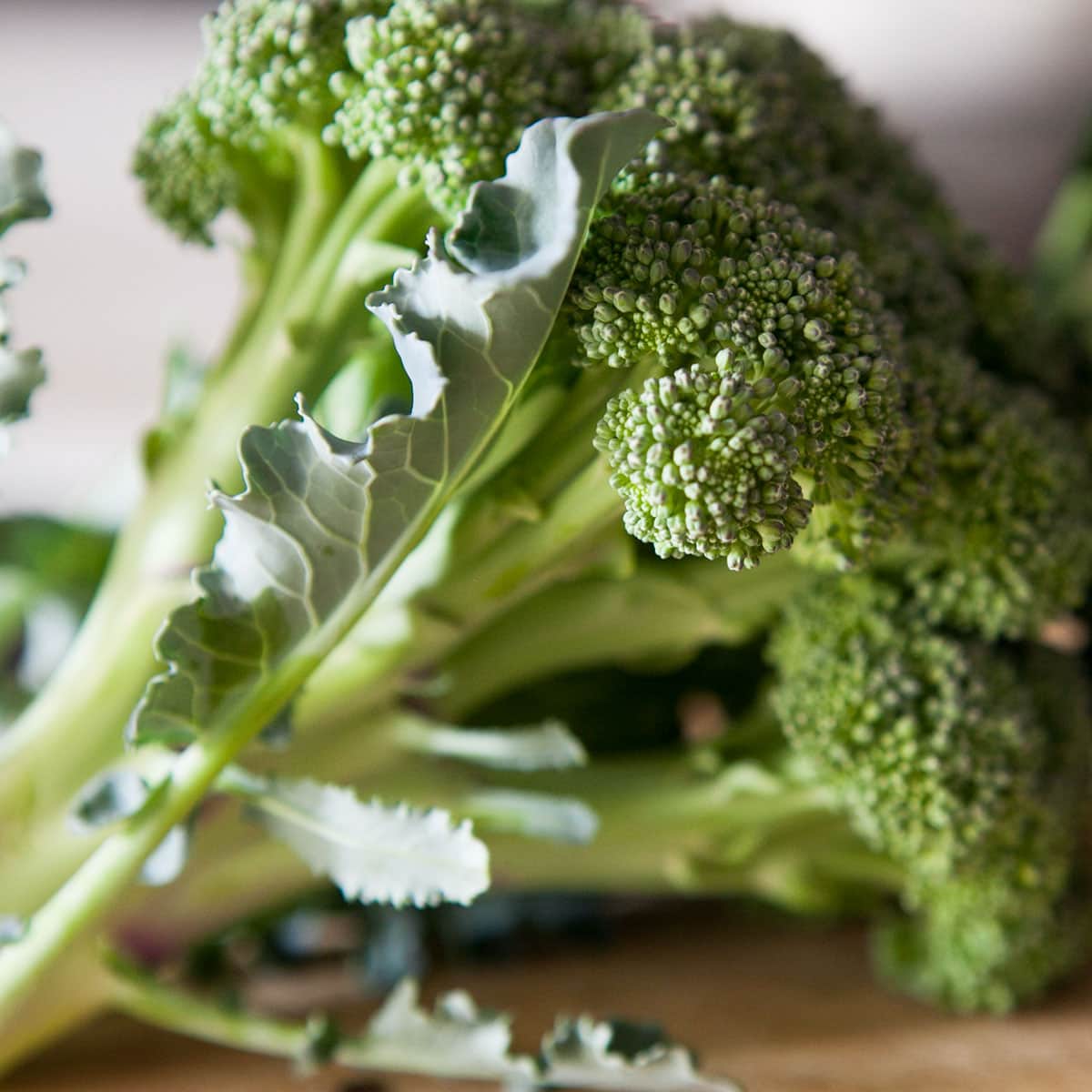
The journey to perfectly frozen broccoli begins with choosing the right heads. Just like any other preservation method, the quality of your end product is directly tied to the quality of your raw ingredients. For optimal results, select broccoli that is:
- Firm and Tightly Packed: The head should feel solid and dense, not loose or flimsy.
- Vibrant Green: Look for a deep, rich green color. Any signs of yellowing indicate that the broccoli is starting to age and may not freeze as well.
- Closed Buds: All the individual florets (buds) should be tightly closed. If any show signs of opening, turning yellow, or even flowering, it means the broccoli is past its prime for freezing. These heads are best used fresh and immediately, as their flavor and texture will degrade significantly in the freezer.
Freezing broccoli at its peak ensures that it retains its maximum flavor, nutritional value, and desirable texture once thawed and cooked. Compromising on quality at this stage will inevitably lead to a less satisfying frozen product.
Preparation: Cleaning, Trimming, and Sizing
Once you've selected your pristine broccoli, it's time for the essential preparation steps. Proper cleaning and cutting are crucial for both hygiene and ease of use post-freezing.
- Wash Thoroughly: Rinse the broccoli heads under cold running water. You can also soak them briefly in a bowl of cold water with a splash of white vinegar to help dislodge any hidden dirt or small insects. Pat dry gently.
- Separate Florets from Stems: Broccoli florets and stems have different textures and often lend themselves to different culinary uses. It's generally best to separate them. Stems are excellent for soups, purees, or stir-fries, while florets are versatile for almost any dish.
- Chop into Uniform Pieces:
- Florets: Cut the florets into roughly 1.5-inch bite-sized pieces. Aim for consistency in size to ensure even blanching and cooking later.
- Stems: Don't discard the stems! They're packed with nutrients. Peel away the tough outer layer of the stems using a vegetable peeler. This fibrous layer can become woody and unpleasant when cooked. Once peeled, chop the tender inner stems into 1.5-inch pieces, similar to the florets.
Taking the time for these steps will make your frozen broccoli much more convenient to use in future meals.
The Essential Step: Blanching for Preservation
Blanching is the single most critical step when freezing broccoli, and it's what differentiates excellent frozen broccoli from a disappointing, mushy mess. While not all vegetables require blanching before freezing, broccoli absolutely does. This quick heat treatment serves several vital purposes:
- Deactivates Enzymes: Broccoli contains natural enzymes that, if not deactivated, will continue to break down the vegetable even in freezing temperatures. These enzymes are responsible for changes in color (turning dull and grayish), texture (becoming mushy), and flavor (developing an unpalatably bitter taste).
- Preserves Color and Nutrients: Blanching helps lock in broccoli's vibrant green color and minimizes the loss of vitamins and minerals during freezer storage.
- Cleanses and Softens: It further cleanses the broccoli and slightly softens it, making it easier to pack.
There are two primary methods for blanching broccoli:
- Boiling Water Blanching:
- Bring a large pot of water to a rolling boil.
- Prepare an ice bath: Fill a large bowl with ice and cold water. This is crucial for rapidly cooling the broccoli.
- Submerge the broccoli (in batches, if necessary, to avoid overcrowding and dropping the water temperature) into the boiling water.
- Blanch for 2-3 minutes.
- Immediately remove the broccoli with a slotted spoon and plunge it into the prepared ice bath.
- Allow the broccoli to cool completely in the ice bath for the same amount of time it was blanched (2-3 minutes). This stops the cooking process and seals in moisture and flavor.
- Steaming Blanching:
- Place a steamer basket in a pot with about an inch of water. Bring the water to a boil.
- Once steaming, add the broccoli to the basket, ensuring it's not submerged in the water.
- Cover the pot and steam for 5 minutes.
- As with boiling, immediately transfer the steamed broccoli to an ice bath for 5 minutes to halt the cooking.
The immediate transfer to an ice bath is non-negotiable. Without it, the residual heat will continue to cook the broccoli, leading to a softer, less desirable texture. For more detailed insights into preventing common blanching mistakes and ensuring your broccoli maintains its perfect texture, you might find this article helpful: Prevent Mushy Broccoli: Blanching for Perfect Frozen Florets. Furthermore, understanding the science behind why blanching is so crucial can help you achieve ideal results and avoid bitterness, as explored in The Foolproof Method to Freeze Broccoli Without Bitterness.
Drying and Portioning for Optimal Freezing
After blanching and cooling, the next critical step is to thoroughly dry your broccoli. Any excess moisture will turn into ice crystals in the freezer, which can lead to freezer burn and a mushy texture when thawed. Spread the blanched broccoli on clean kitchen towels or several layers of paper towels. Gently pat it dry, or for a more efficient method, use a salad spinner. Ensure it is as dry as possible before moving to the next stage.
Now, consider how you'll use your frozen broccoli. Proper portioning prevents a solid, unmanageable block of ice and makes future meal prep a breeze:
- Individual Servings: If you often use small amounts for stir-fries or as a side dish, portion into smaller bags.
- Meal-Sized Portions: For family meals or larger recipes like casseroles or soups, measure out what you typically need for a single dish.
- Separate Florets and Stems: If you initially separated them, you might want to freeze them in different portion sizes or even in different bags, reflecting their distinct uses. Stems, for instance, are often used in larger quantities for creamy soups or purees.
The Best Freezing Method: Flash Freezing
To prevent your broccoli from clumping together into one solid block – making it nearly impossible to retrieve individual florets without defrosting the entire bag – employ the flash-freezing method:
- Prepare a Tray: Line a baking sheet or a large tray with parchment paper or a silicone mat.
- Single Layer: Spread the thoroughly dried broccoli florets and/or stems in a single layer on the prepared tray, ensuring they don't touch each other.
- Freeze Until Solid: Place the tray in your freezer for 1-2 hours, or until the broccoli pieces are completely frozen solid.
- Pack for Long-Term Storage: Once frozen, quickly transfer the individual pieces into airtight freezer bags or rigid freezer-safe containers. Press out as much air as possible from freezer bags (a vacuum sealer is excellent for this, or you can use a straw to suck out the air before sealing).
- Label and Date: Don't forget to label each bag or container with the contents and the date it was frozen.
While you *can* technically place un-flash-frozen, blanched broccoli directly into bags, you run the risk of it freezing into a single, unbreakable lump. This makes portioning later a significant challenge. Flash freezing is a small extra step that saves a lot of hassle down the line.
Storage and Longevity
Properly blanched, flash-frozen, and stored broccoli can maintain its quality for up to 10-12 months in a standard freezer. For optimal results, ensure your freezer temperature is consistently at 0°F (-18°C) or below. Always use airtight containers or thick freezer bags designed to resist freezer burn. Freezer burn, characterized by dry, discolored spots, occurs when food is exposed to air, causing moisture to evaporate and leading to changes in texture and flavor.
Using Your Frozen Broccoli
One of the beauties of properly frozen broccoli is its convenience. In most cases, there's no need to thaw it before cooking:
- Soups and Stews: Add frozen broccoli directly to the pot during the last 5-10 minutes of cooking.
- Stir-fries: Toss frozen broccoli directly into your wok or pan. It may release some water, so increase heat slightly to ensure it cooks through and isn't soggy.
- Casseroles and Bakes: Incorporate frozen broccoli into your favorite casserole recipes without thawing.
- Steaming/Roasting: For a simple side dish, steam frozen broccoli for a few minutes until tender-crisp, or toss with olive oil and seasonings and roast from frozen on a baking sheet.
Remember that blanched broccoli is already partially cooked, so it will require less cooking time than fresh broccoli. Avoid overcooking to maintain its best texture.
Conclusion
Freezing broccoli is a rewarding culinary skill that pays dividends in both flavor and finances. By following these simple yet crucial steps—from selecting prime heads and proper preparation to blanching, drying, flash-freezing, and smart storage—you can easily preserve this versatile vegetable for year-round enjoyment. No longer will you worry about wilting broccoli in the fridge or missing out on seasonal savings. With your freezer stocked, you'll always have access to delicious, healthy broccoli, ready to elevate any meal. Embrace the power of preservation and savor the benefits of your foresight!
